Best Shoe Cleaning Kits: What You Actually Need
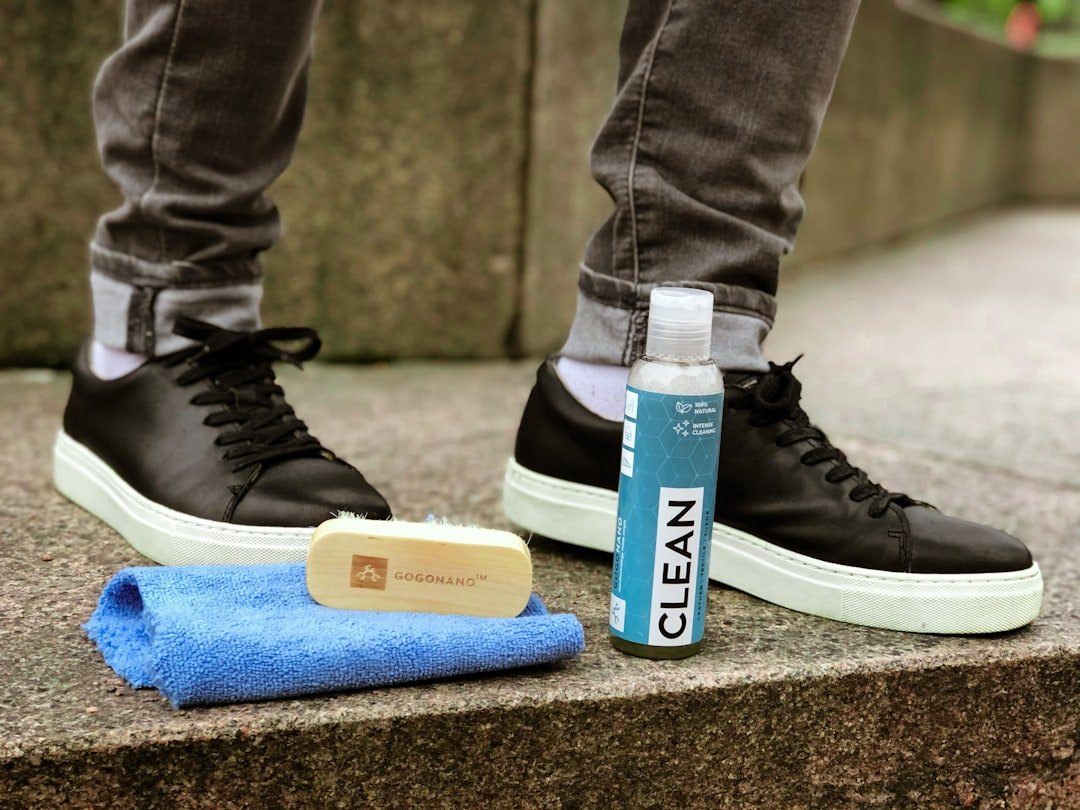
Quick answer: The best shoe cleaning kit is not the one with the most bottles. It is a small set of material-safe tools: a soft brush, microfiber cloths, mild cleaner, a suede eraser, and a protectant chosen for the shoes you actually wear.
A good kit saves time because you are not hunting for a substitute every time a pair gets dirty. It also helps you avoid the common mistake of using one harsh product on every material. Build the basics first, then add only the tools that solve a real problem.
The five tools every basic kit needs
Start with a soft-bristle brush for uppers, a firmer brush for rubber soles, two or three microfiber cloths, a mild shoe cleaner, and a small bowl. These cover most sneakers, canvas shoes, and finished leather. Use separate cloths for the upper and outsole so you do not spread black sole dirt back onto a light shoe.
For a full shopping framework, see our shoe cleaning kits guide. It helps you choose by material and use case instead of buying duplicate tools.
Choose brushes by the job they need to do
A soft brush works on mesh, knit, canvas, and leather. A medium brush can help with textured midsoles. Keep stiff bristles for rubber outsoles only. Brush lightly at first; pressure is rarely the answer when a mark will not lift.
If you are cleaning a delicate pair, follow the material guide first: suede shoes, leather sneakers, and mesh sneakers each need a different touch.
Pick cleaner based on the upper material
For most washable uppers, use a mild, dye-free cleaner and enough water to make light foam. For leather, use a leather-safe cleaner and wipe away residue. For suede, keep liquid cleaner to a minimum and use a suede brush and eraser first. Never assume a sneaker cleaner is safe for every shoe.
Before cleaning a pair of white shoes, read our white sneaker guide. It explains how to keep the upper clean without overworking it or leaving dull residue.
Do not forget laces, insoles, and odor control
Laces and insoles are inexpensive to clean but easy to overlook. Remove both before you start. Use our steps for cleaning shoelaces and cleaning shoe insoles, then use the shoe deodorizing guide if the problem is sweat rather than visible dirt.
Add protection after the shoes are fully dry
Protectant belongs at the end of the routine, never on a damp or dirty shoe. Choose a product compatible with the upper and test it on a hidden area. Rain and road salt can shorten the life of a clean pair, so use our guide to protect shoes from rain before wet weather arrives.
Kit add-ons that solve specific problems
Add a suede eraser for scuffs and dry marks, a small microfiber towel for travel, shoe trees or clean paper for drying, and a gentle sole cleaner when rubber gets grimy. Salt-stain remover is useful only if you deal with winter sidewalks; learn the safe method for removing salt stains from shoes.
For grass stains, avoid jumping straight to bleach. Treat the stain based on the fabric and color. Our grass stain removal guide gives the safer order of steps.
Store your kit so you will actually use it
Keep everything in one small bin near the entry, laundry area, or shoe rack. Put the soft brush, cloths, and cleaner where you can reach them in a minute. The best shoe-care routine is the one you use while a mark is still fresh.
Amazon pick: FootFitter Advanced Horsehair Cleaning & Polishing Brush
If you want a dedicated brush for routine shoe care and polishing, the FootFitter Advanced Horsehair Cleaning & Polishing Brush is an option to consider. A horsehair brush is especially useful for gently removing surface dust and for buffing finished leather after the appropriate cleaner or conditioner has been applied.
Best for: finished leather shoes, dress shoes, boots, and general dust removal. Always check the shoe manufacturer’s care instructions before using any brush or cleaning product on delicate materials.
As an Amazon Associate, we may earn from qualifying purchases.
Frequently asked questions
Do I need a separate kit for every shoe? No. One basic kit covers most pairs. Add suede tools or leather conditioner only when those materials are part of your rotation.
Is dish soap safe for shoes? A tiny amount of mild, dye-free soap can work on some washable fabrics, but a purpose-made mild cleaner gives you more control and is safer for leather and suede.
What is the most important tool? A soft brush. It removes dry soil before water turns it into a larger mess.