Maintenance & Prevention
How to Deodorize Shoes Without Damaging Them
Updated August 30, 2026 · baxley31513
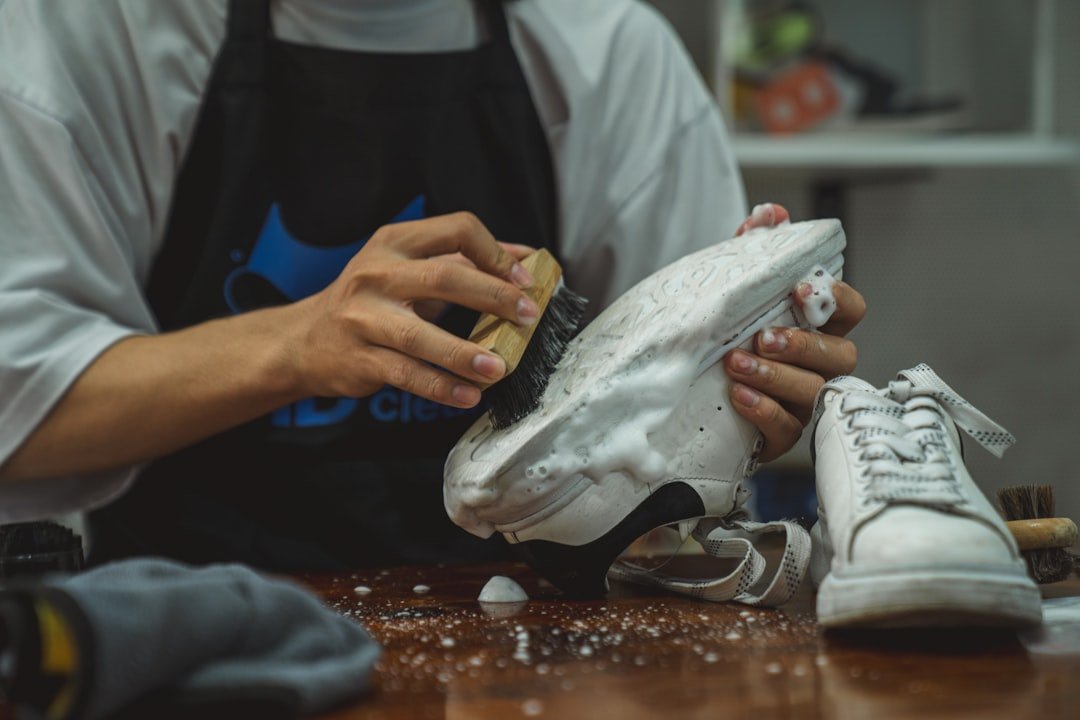
Quick answer
Deodorize Shoes Without Damaging Them requires a material-aware routine: begin by removing loose dirt while the shoe is dry, then use minimal moisture and a cleaner appropriate for the surface. Work gradually, wipe away residue, and let the shoe dry naturally away from direct heat.
Why a careful approach works
Most cleaning damage happens when a shoe is oversaturated or scrubbed too aggressively. Different panels can react differently to water, brushes, and cleaning products. Before using any liquid, look at the shoe’s construction and care label. If it combines several materials, clean each one with the gentlest appropriate method.
A useful rule is to start with dry cleaning, then use a light amount of foam, then repeat only if necessary. This gives you control over the result and reduces the chance of rings, texture changes, color transfer, or softened adhesive.
What you will need
Prepare a dry brush, clean cloth, mild cleaner, dry baking soda or charcoal absorber, and ventilation. Place a towel beneath the shoe and work in a bright, ventilated area. Keep a separate dry cloth nearby so you can remove moisture as you go.
Step-by-step method
- Inspect the shoe. Identify the material and check for loose stitching, cracked coatings, or existing damage.
- Remove loose dirt. Take out laces and insoles where possible, then brush dry debris away.
- Test first. On colored or delicate materials, test the cleaner on an inconspicuous edge.
- Use controlled moisture. Remove insoles and laces, let the shoes dry after wear, wipe interior surfaces lightly, treat dry insoles with an odor absorber overnight, clear any powder, and rotate pairs so moisture can escape.
- Remove residue. Wipe the treated surface with a clean lightly damp cloth, then blot dry.
- Air-dry completely. Reshape with plain paper if needed and wait until all moisture is gone before wearing or storing.
Common mistakes
Avoid covering wet shoes with fragrance, adding excess liquid, and storing damp shoes in a sealed box. More cleaning product is not necessarily better. If dirt remains after a light first pass, let the shoe dry, reassess the material, and repeat only the smallest necessary step.
Make the result last
Regular low-effort maintenance prevents deep stains. Brush away dry dirt after use, wipe small marks promptly, and store shoes away from heat and direct sunlight. If you use a protectant, choose one made for the exact material and apply it only to clean, dry footwear.
Frequently asked questions
Can I use a washing machine? Unless the manufacturer explicitly permits it, hand cleaning is safer. Machines can affect foam, glue, shape, and color.
When should I stop? Stop if dye transfers heavily, material peels, or stitching loosens. Delicate or valuable footwear may need professional assessment.
For a complete tools overview, see our shoe-cleaning kit guide.
Keep learning
Explore the best shoe cleaning kits guide for the next steps, tools, and related material-specific guides.